Festivals
The stories, significance and rituals behind India's most beloved spiritual festivals.
Hindu festivals carry deep stories, devotion and joy. Yahan har tyohar ki katha (story), uska mahatva (significance), puja vidhi aur paramparik bhojan ek hi jagah par milta hai — taaki aap har celebration ko shraddha aur samajh ke saath mana sakein.
 14 January
Makar Sankranti
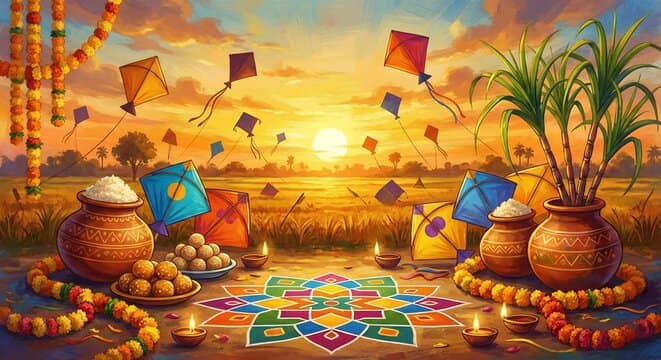
Makar Sankranti marks the sun's transition into Capricorn (Makara) and the start of longer, warmer days. Celebrated as Pongal in the South, Lohri in Punjab and Uttarayan in Gujarat, it is a harvest festival famous for colourful kite-flying and til-gud sweets.
Why we celebrate: It honours the Sun God, the harvest, and the auspicious turn towards longer days (Uttarayan).
Til Ladoo, Gud, Khichdi, Pongal
 January / February
Vasant Panchami
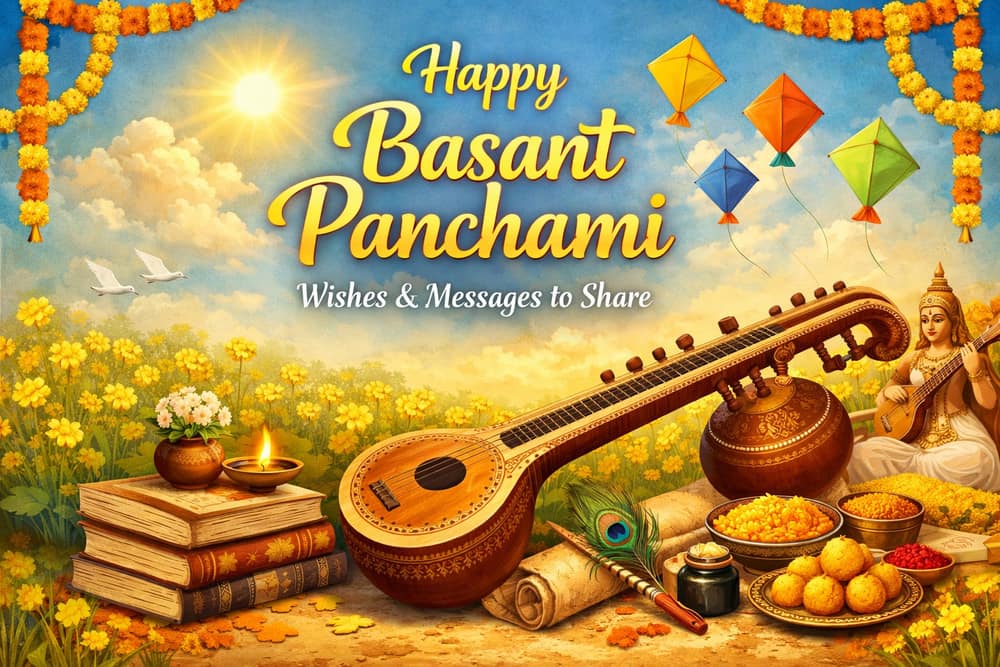
Vasant Panchami heralds the arrival of spring and is dedicated to Goddess Saraswati, the deity of knowledge, music and arts. Devotees wear yellow, worship Saraswati, and children are often taught their first letters on this auspicious day.
Why we celebrate: It celebrates the onset of spring and seeks the blessings of Goddess Saraswati for wisdom and learning.
Kesar Halwa, Boondi Ladoo, Yellow rice, Rajbhog
 February / March
Maha Shivaratri
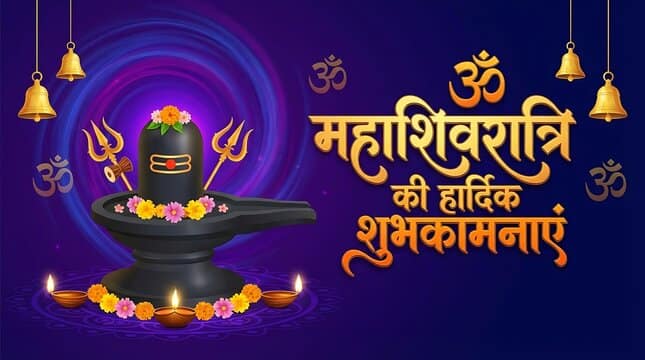
Maha Shivaratri, the 'Great Night of Shiva', marks the night Shiva performed the cosmic dance and, by some accounts, his marriage to Parvati.
Why we celebrate: It is a night of devotion, fasting and meditation to overcome darkness and ignorance.
Thandai, Sabudana Vada, Fruits and Milk
 March
MarchHoli
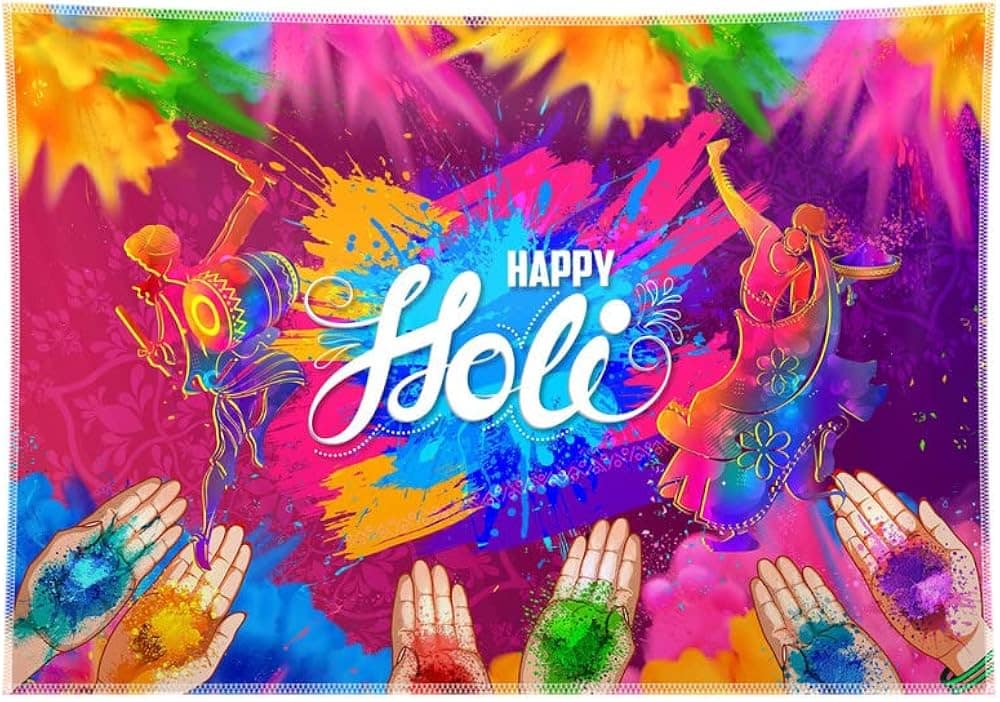
Holi celebrates the divine love of Radha and Krishna and the legend of Prahlad and Holika, where devotion triumphed over the demoness's fire, symbolising the burning away of evil.
Why we celebrate: It marks the arrival of spring and the victory of good over evil, spreading joy, colour and unity.
Gujiya, Thandai, Malpua, Dahi Bhalla
 March / April
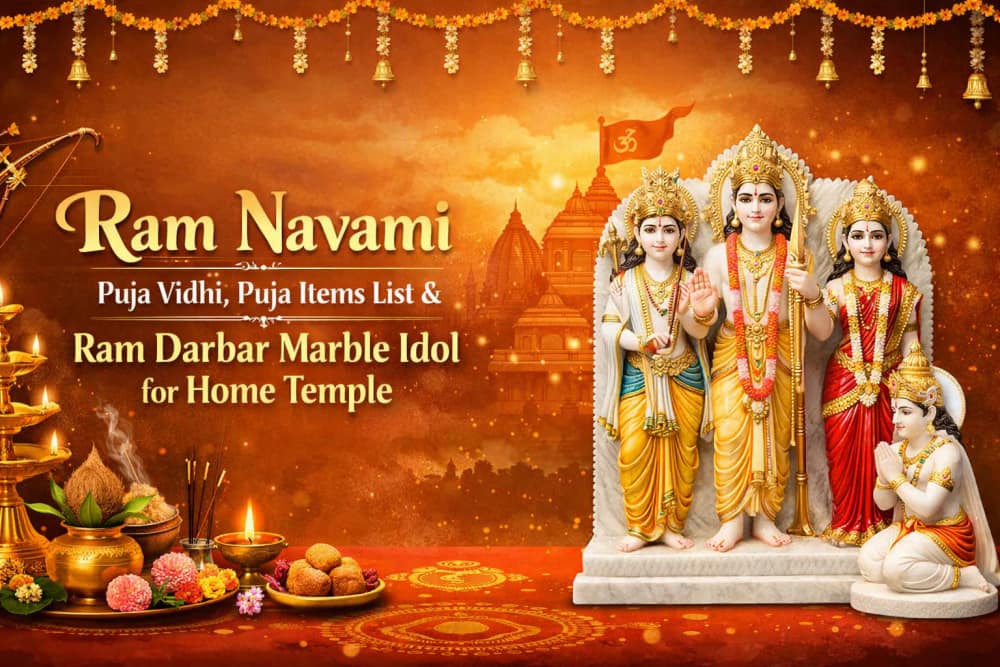
Ram Navami
Ram Navami celebrates the birth of Lord Rama, the seventh avatar of Vishnu, born to King Dasharatha and Queen Kausalya in Ayodhya. Devotees read the Ramayana, sing bhajans and re-enact scenes from Lord Rama's life.
Why we celebrate: It honours the birth of Lord Rama, the embodiment of dharma, virtue and ideal conduct.
Panakam, Kosambari, Sooji Halwa, Fruits
 April
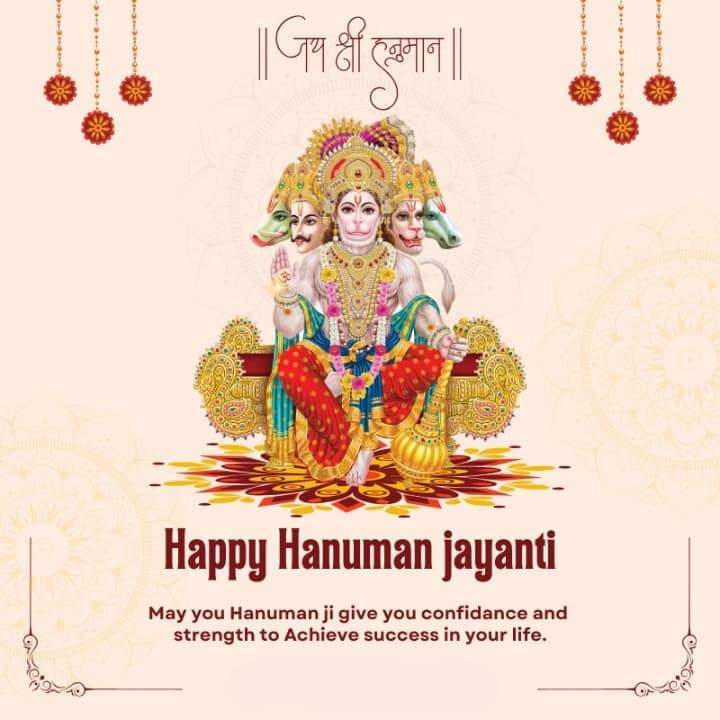
AprilHanuman Jayanti
Hanuman Jayanti celebrates the birth of Lord Hanuman, the mighty devotee of Lord Rama and symbol of strength, courage and selfless devotion. Devotees throng Hanuman temples, recite the Hanuman Chalisa and offer sindoor and laddoos.
Why we celebrate: It honours Lord Hanuman's unwavering devotion, strength and protection of his devotees.
Boondi Ladoo, Banana, Jaggery, Panchamrit
 13 April
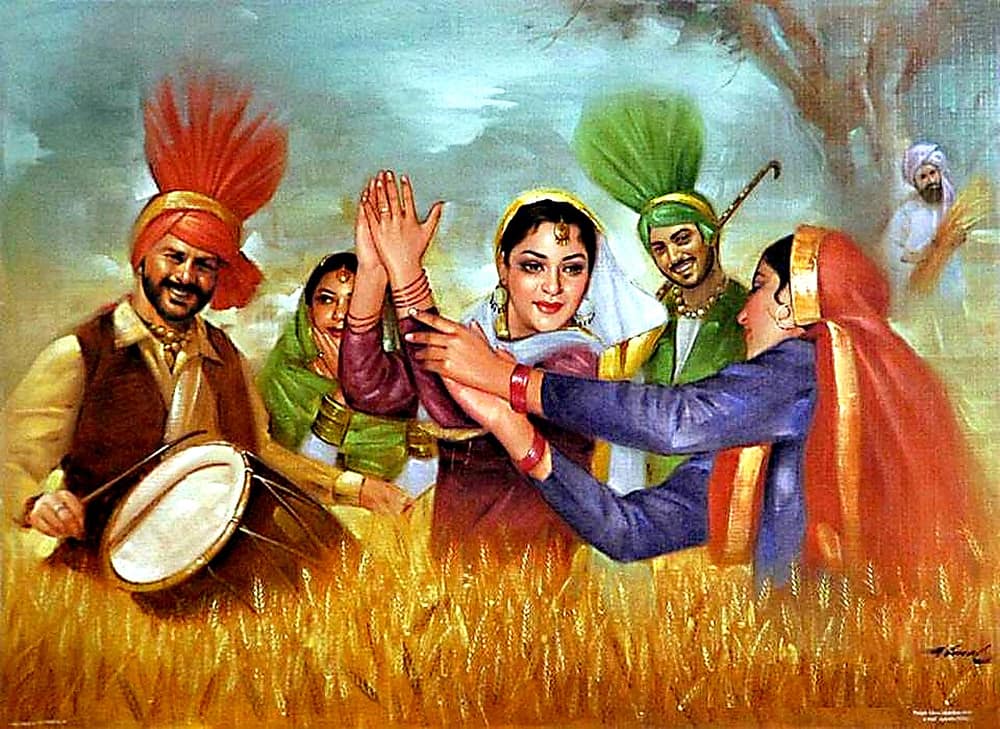
Baisakhi
Baisakhi (Vaisakhi) is a spring harvest festival and the Sikh New Year. It commemorates the founding of the Khalsa Panth by Guru Gobind Singh in 1699. Punjab comes alive with bhangra, gidda and vibrant fairs celebrating the bountiful harvest.
Why we celebrate: It marks the harvest season and the birth of the Khalsa, symbolising courage and community.
Makki di Roti, Sarson da Saag, Kada Prasad, Lassi
 July
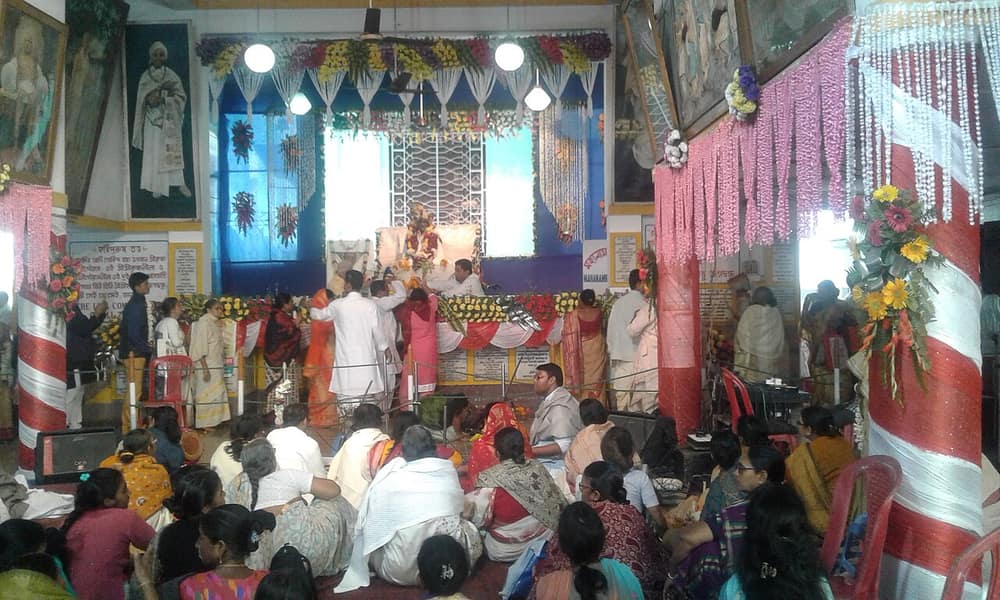
JulyGuru Purnima
Guru Purnima is dedicated to honouring one's spiritual and academic teachers (gurus). It also marks the birth of sage Veda Vyasa, who compiled the Vedas and authored the Mahabharata. Disciples express gratitude to their gurus on this full-moon day.
Why we celebrate: It expresses gratitude and reverence to gurus who dispel ignorance and guide us to wisdom.
Kheer, Halwa, Sabudana, Fruits
 August
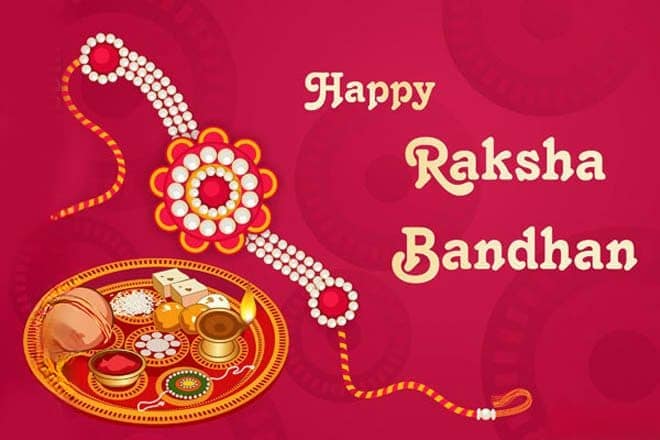
Raksha Bandhan
Raksha Bandhan, also called Rakhi, celebrates the sacred bond between brothers and sisters. A sister ties a rakhi on her brother's wrist, praying for his well-being, while he vows to protect her. Legends recall Draupadi tying a cloth on Krishna's wrist and Krishna's promise to protect her.
Why we celebrate: It honours the lifelong bond of love, duty and protection between siblings.
Ghevar, Kaju Katli, Coconut Ladoo, Rasgulla
 August / September
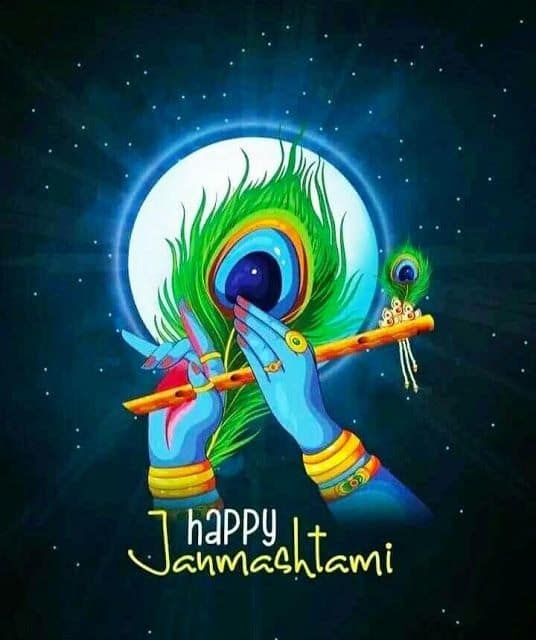
Janmashtami
Janmashtami celebrates the birth of Lord Krishna at midnight in Mathura, who incarnated to rid the world of the tyrant Kamsa and re-establish dharma.
Why we celebrate: It honours the descent of the divine to protect the righteous and guide humanity.
Makhan Mishri, Panjiri, Charnamrit, Kheer
 August / September
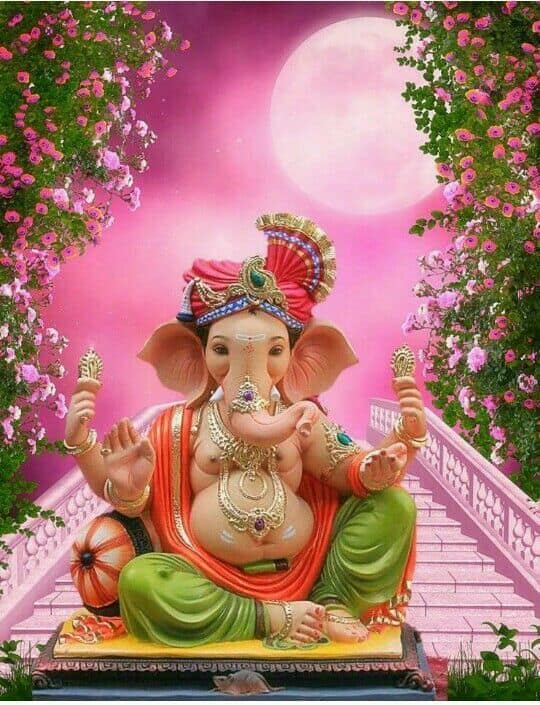
Ganesh Chaturthi
Ganesh Chaturthi celebrates the birth of Lord Ganesha, the remover of obstacles. Clay idols are installed, worshipped and immersed in water over ten days.
Why we celebrate: It invokes wisdom, prosperity and auspicious new beginnings while fostering community spirit.
Modak, Puran Poli, Karanji
 September / October
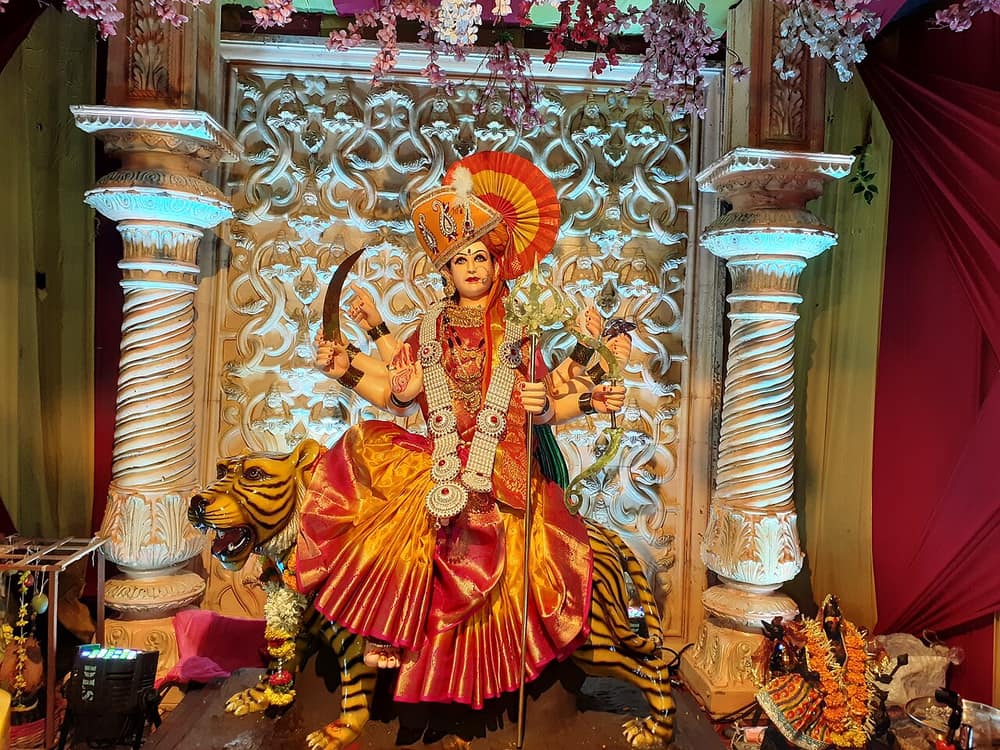
Navratri
Navratri honours Goddess Durga's nine forms and her nine-day battle with the demon Mahishasura, culminating in her victory on the tenth day, Vijayadashami.
Why we celebrate: It celebrates the victory of divine feminine power (Shakti) over evil and the triumph of dharma.
Sabudana Khichdi, Kuttu Puri, Singhare Halwa
 September / October
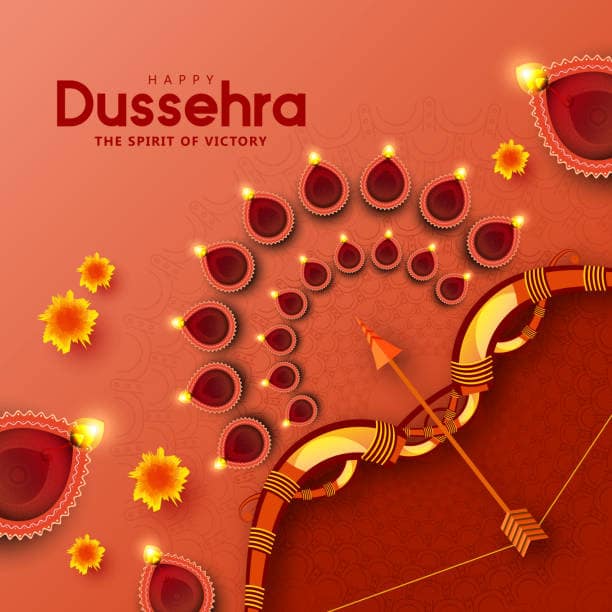
Dussehra
Dussehra, also called Vijayadashami, marks Lord Rama's victory over the demon king Ravana and Goddess Durga's triumph over the buffalo demon Mahishasura. Towering effigies of Ravana, Meghnad and Kumbhakarna are set ablaze to celebrate the defeat of evil.
Why we celebrate: It celebrates the victory of good over evil and righteousness (dharma) over arrogance.
Jalebi, Fafda, Shrikhand, Ladoo
 October / November
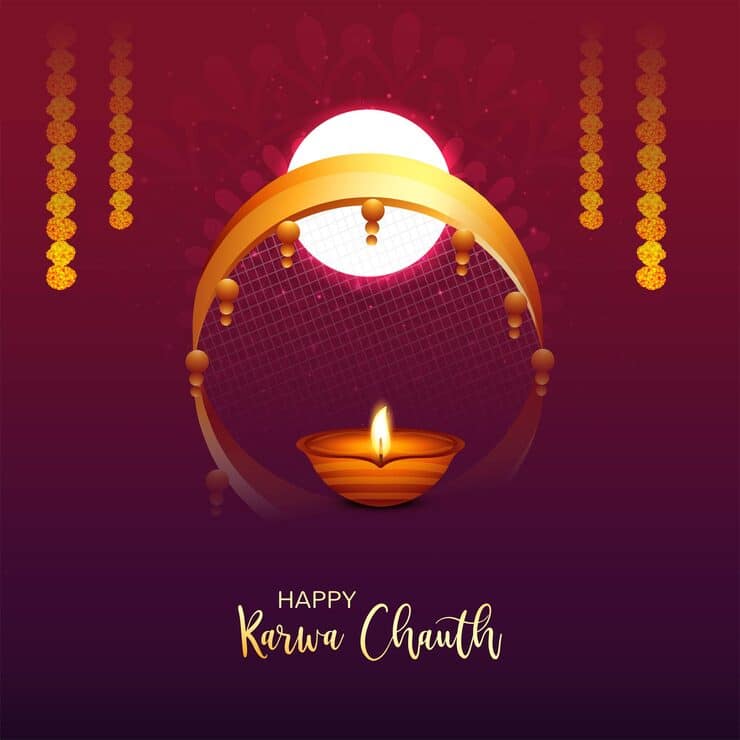
Karwa Chauth
Karwa Chauth is a one-day festival when married women observe a fast from sunrise to moonrise for the long life and well-being of their husbands. The fast is broken only after sighting the moon and viewing the husband through a sieve.
Why we celebrate: It celebrates marital love, devotion and the sacred bond between husband and wife.
Sargi, Feni, Mathri, Dry fruits
 October / November
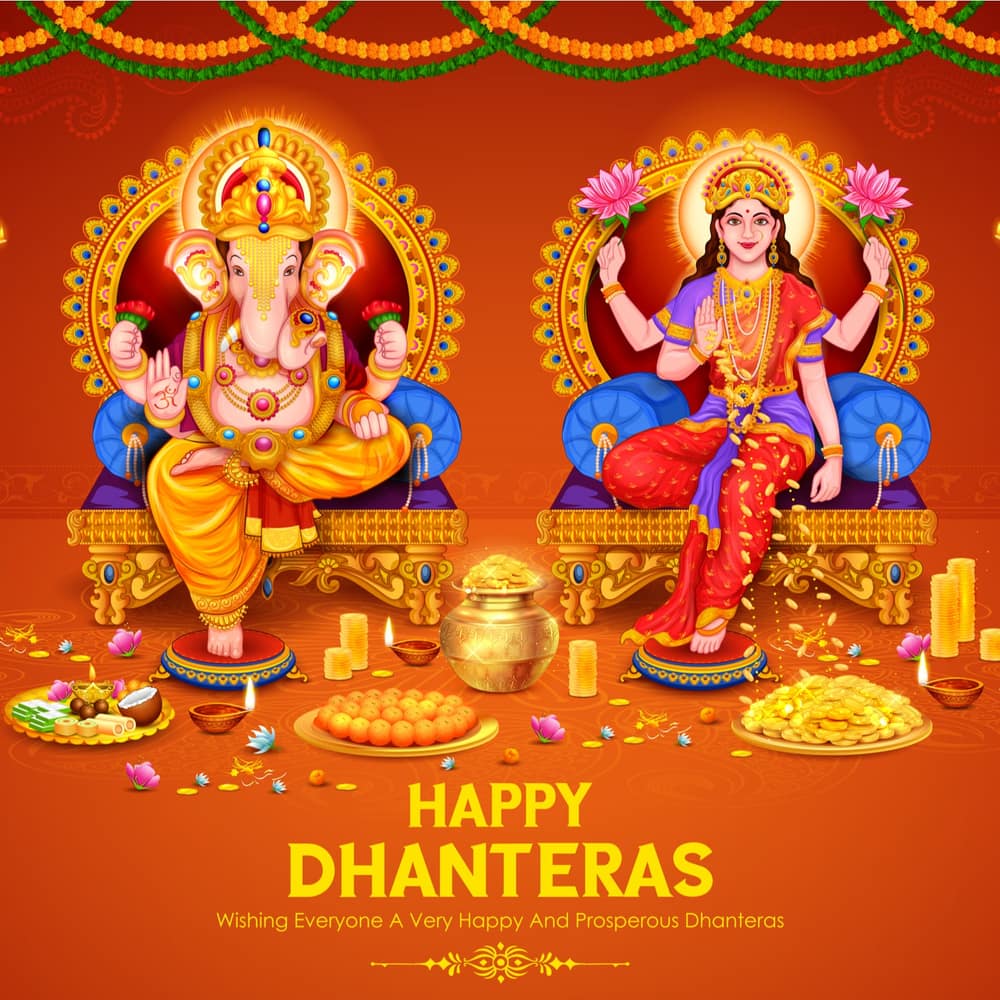
Dhanteras
Dhanteras, the first day of Diwali, honours Lord Dhanvantari, the physician of the gods who emerged from the cosmic ocean with the nectar of immortality, and Goddess Lakshmi. Buying gold, silver or new utensils on this day is considered auspicious.
Why we celebrate: It invites health, wealth and prosperity into the home at the start of the Diwali festivities.
Ladoo, Peda, Dhania Panjiri, Kheer
 October / November
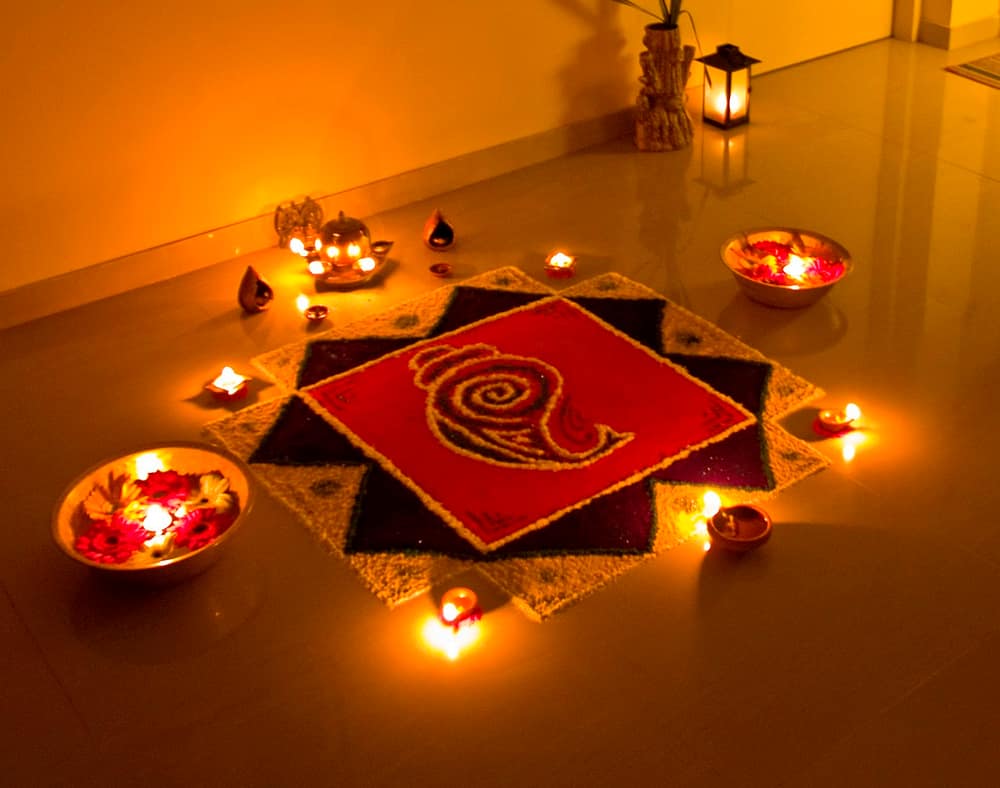
Diwali
Diwali, the festival of lights, celebrates the return of Lord Rama to Ayodhya after fourteen years of exile and his victory over Ravana. Rows of lamps lit the path to welcome him home.
Why we celebrate: It symbolises the triumph of light over darkness, good over evil, and knowledge over ignorance.
Ladoo, Kaju Katli, Gujiya, Chakli
 October / November
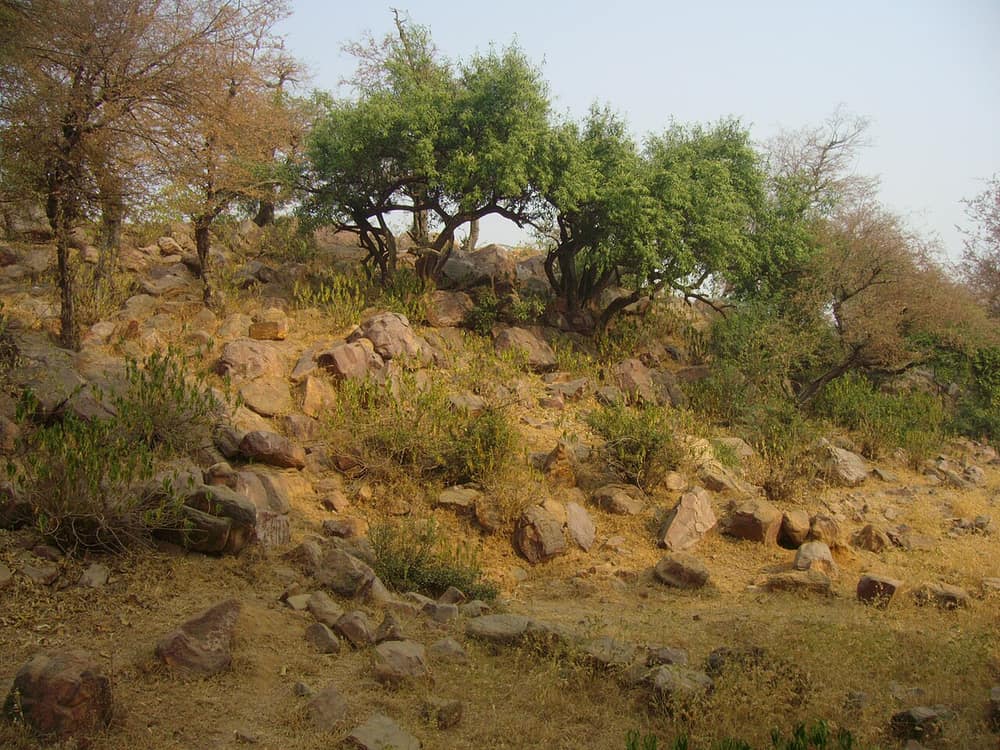
Govardhan Puja
Govardhan Puja, celebrated the day after Diwali, recalls Lord Krishna lifting the Govardhan hill on his little finger to shelter the people of Vrindavan from torrential rains sent by Indra. Devotees prepare a mountain of food (Annakut) as an offering.
Why we celebrate: It celebrates Lord Krishna's protection of his devotees and gratitude towards nature.
Annakut, Kadhi, Mixed vegetables, Sweets
 October / November
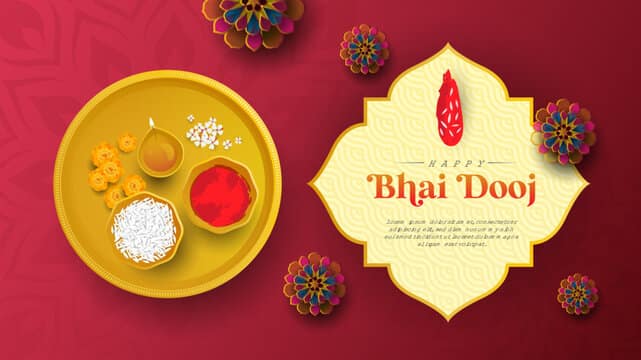
Bhai Dooj
Bhai Dooj, celebrated two days after Diwali, honours the bond between brothers and sisters. Sisters apply a tilak on their brothers' foreheads and pray for their long life, recalling the legend of Yamuna welcoming her brother Yama, the lord of death.
Why we celebrate: It celebrates the love, protection and lifelong affection between siblings.
Kaju Katli, Gujiya, Coconut Ladoo, Halwa
 October / November
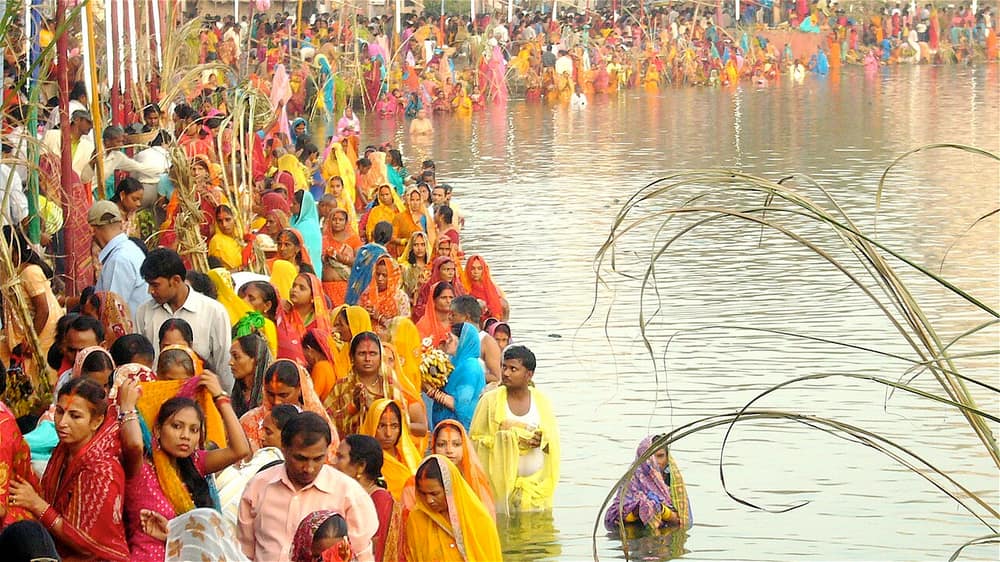
Chhath Puja
Chhath Puja is an ancient festival devoted to the Sun God (Surya) and Chhathi Maiya, observed mainly in Bihar, Jharkhand and eastern UP. Devotees observe rigorous fasts and offer arghya to the setting and rising sun while standing in water.
Why we celebrate: It thanks the Sun God for sustaining life and seeks well-being and prosperity for the family.
Thekua, Rice kheer, Seasonal fruits, Sugarcane
 November
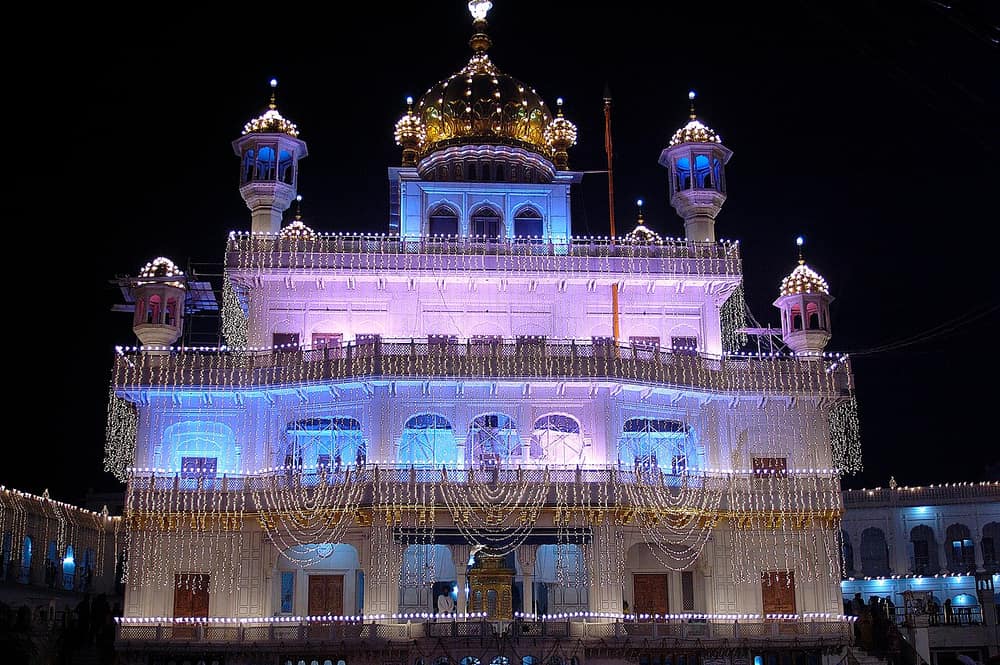
Guru Nanak Jayanti
Guru Nanak Jayanti, also called Gurpurab, celebrates the birth of Guru Nanak Dev Ji, the founder of Sikhism and the first of the ten Sikh Gurus. Gurudwaras glow with lights, and devotees hold processions, kirtan and langar in his honour.
Why we celebrate: It honours Guru Nanak Dev Ji and his teachings of one God, equality, honest living and selfless service.
Kada Prasad, Langar dal, Roti, Kheer
 25 December
Christmas
Christmas celebrates the birth of Jesus Christ in Bethlehem. Homes and churches are decorated with lights, stars and nativity scenes, and families gather to share love, joy and goodwill. In India, Christmas is celebrated with great warmth across communities.
Why we celebrate: It celebrates the birth of Jesus Christ and his message of love, peace and compassion for all.
Plum cake, Rose cookies, Kulkuls, Roast
Frequently Asked Questions
Hindu tyohaaron, tithi aur puja vidhi se jude common sawaal.
India mein saal bhar saikdon tyohar manaaye jaate hain — kuch poore desh mein, kuch sirf kisi rajya ya samuday mein. Bhakti par aapko sabse pramukh festivals milte hain — Diwali, Holi, Navratri, Janmashtami, Maha Shivaratri aur kai aur — har ek ki katha, mahatva aur puja vidhi ke saath.
Zyadaatar Hindu tyoharon ki tithi Hindu panchang (lunar calendar) ke hisaab se tay hoti hai, isliye English calendar par inki date har saal badal jaati hai. Har festival page par uski expected date aur mahatva diya gaya hai.
Puja vidhi ka matlab hai kisi tyohar ya devta ki pooja karne ka paramparik tareeka — kaun si samagri chahiye, kaun se mantra bole jaate hain, aur kis kram (step-by-step) mein pooja ki jaati hai. Har festival ke saath ek simple puja vidhi guide di gayi hai.
Diwali (Deepavali) ko aam taur par sabse bada aur vyapak roop se manaaya jaane wala Hindu festival maana jaata hai, lekin alag-alag kshetron mein Navratri, Durga Puja, Pongal ya Onam jaise tyohar bhi utne hi mahatvapurn hote hain.